How Gum Disease Treatment Can Save Your Smile
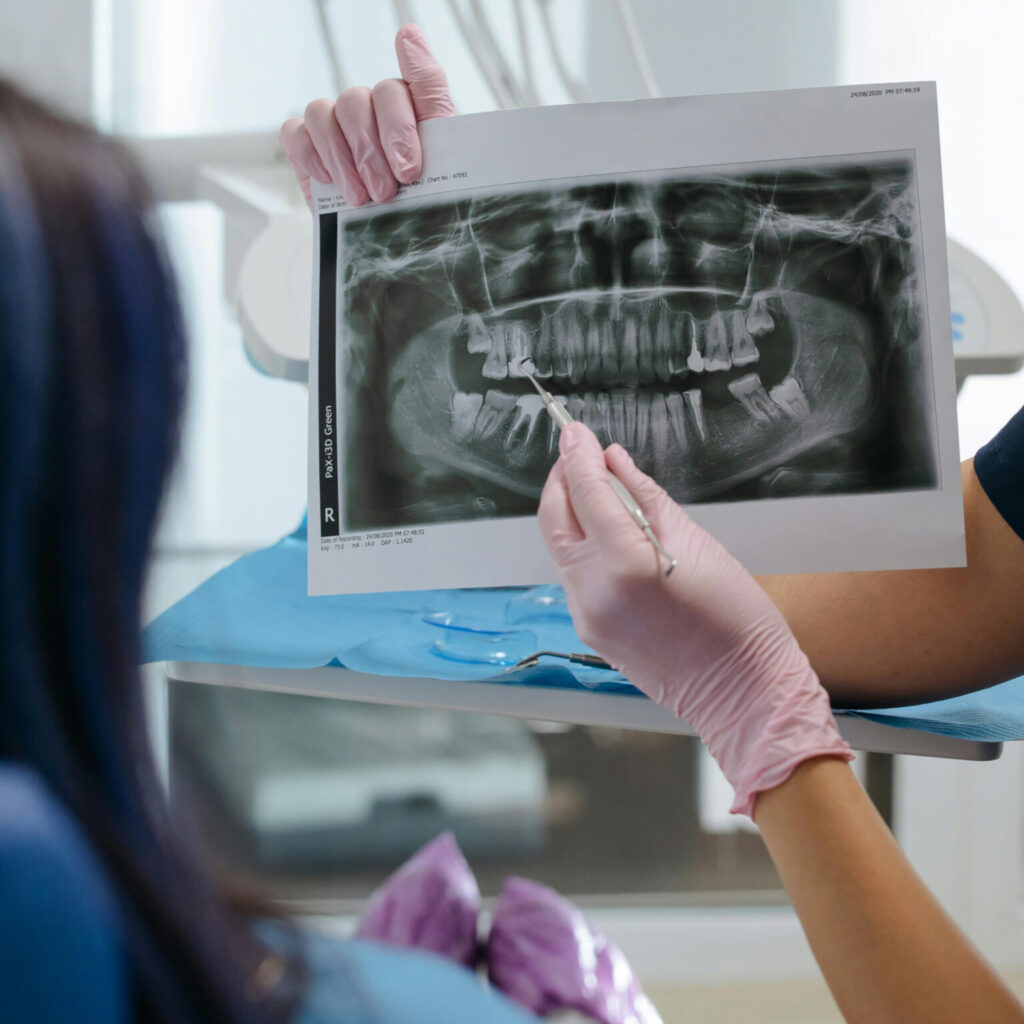
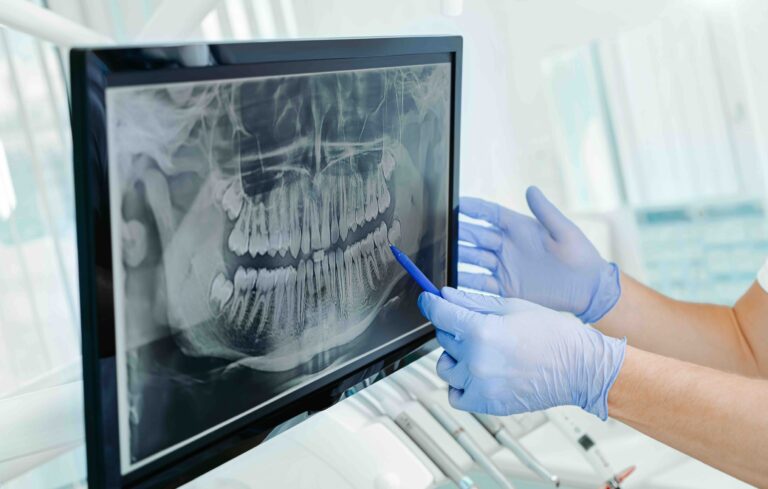

A surprising number of people think of gum problems as minor, almost cosmetic, right up until a tooth feels loose or brushing starts to hurt. That is usually the moment the stakes become clear. Gum disease is not just about irritated tissue along the gumline. Left alone, it can damage the structures that hold teeth in place, change the way a smile looks, and make everyday things like eating, speaking, and cleaning your teeth far more difficult than they should be.
The encouraging part is that timely Gum Disease Treatment can do far more than stop bleeding gums. It can preserve bone, stabilize teeth, reduce chronic inflammation, improve breath, and often spare patients from more extensive and expensive dental work later. In practice, the best outcomes usually come from catching the disease early, treating it thoroughly, and then maintaining the result with steady home care and regular professional follow-up.
What gum disease really is
Gum disease begins with plaque, a sticky film of bacteria that forms on teeth every day. If it is not removed well enough, it hardens into tartar, especially around and under the gumline. At that point, brushing alone cannot take it off. The bacteria and their byproducts irritate the gums, triggering inflammation.
In the earliest stage, called gingivitis, the gums may look puffy, bleed during brushing or flossing, and feel tender. Many people dismiss those signs because they are not usually painful. That is one reason gum disease progresses so quietly. Gingivitis is often reversible with good cleaning and proper care. Once the inflammation starts to affect the deeper tissues and bone supporting the teeth, it becomes periodontitis. That stage is more serious. The gums can pull away from the teeth, pockets can form, and the bone that anchors teeth can slowly deteriorate.
Dentists and hygienists see this progression all the time. A patient may come in saying, “My gums have bled for years, but nothing really hurts.” Then the exam shows pockets around several teeth, tartar below the gumline, and early bone loss on X-rays. The person often feels blindsided, even though the disease has usually been active for a long time.
Why your smile is at risk
When gum disease advances, it changes more than the health of the gums. It changes the foundation of the smile itself. Teeth need stable support from bone, periodontal ligament, and healthy https://mauletav1.gumroad.com/p/top-questions-to-ask-before-starting-gum-disease-treatment gum tissue. If those structures weaken, the visible effects start to show.
Some changes are subtle at first. Teeth may look longer because gums have receded. Small spaces may appear where there were none before. A front tooth may drift slightly, enough that the bite feels different or floss suddenly slides through too easily. In more advanced cases, teeth can loosen, shift noticeably, or become uncomfortable to chew on. Those changes are not simply aesthetic concerns. They often signal structural loss that can become harder to manage over time.
There is also the issue of bad breath and taste. Chronic bacterial buildup under the gums can create persistent odor that mouthwash only masks for a short time. Patients are sometimes relieved to learn there is a treatable reason for it. Once the infection is addressed and the tissues start to heal, breath often improves in a way that no cosmetic product can match.
The signs people tend to ignore
Gum disease is often painless in its earlier stages, which is exactly why it catches people off guard. The warning signs are usually there, but they are easy to normalize.
- Bleeding during brushing or flossing
- Red, swollen, or shiny gums
- Persistent bad breath
- Receding gums or teeth that look longer
- Loose teeth or a bite that feels different
None of those signs should be brushed off as “just sensitive gums.” Healthy gums do not bleed routinely. A little pink in the sink once after snapping floss into the gums is one thing. Regular bleeding, especially with tenderness or swelling, deserves professional attention.
What happens during diagnosis
A proper gum evaluation is more detailed than many people expect. The dentist or hygienist does not just glance at the gums and make a guess. They assess pocket depths around each tooth with a periodontal probe, look for bleeding points, check for gum recession, evaluate tooth mobility, and review X-rays for bone levels. The pattern matters. A patient with generalized mild inflammation needs a different approach than someone with isolated deep pockets around back molars or rapid bone loss in specific areas.
Pocket depth is particularly important. A healthy sulcus, the small space between the tooth and gum, is shallow and easy to keep clean. As gum disease progresses, that space deepens and becomes harder to reach with normal home care. Bacteria thrive there. Deeper pockets do not guarantee tooth loss, but they do tell the team that bacteria have moved into areas where more focused treatment is needed.
This is also the stage where judgment matters. Not every patient with gum inflammation has the same risk profile. Smoking, diabetes, dry mouth, certain medications, crowded teeth, clenching, poor-fitting restorations, and a history of irregular dental visits can all affect how aggressively gum disease behaves and how well tissues respond to treatment.
The real goal of Gum Disease Treatment
Many patients assume the goal is simply to “clean the teeth better.” That is part of it, but not the whole picture. The real goal is to stop the infection from damaging the support system of the teeth, create an environment the patient can maintain at home, and reduce the chance of future breakdown.
For early gingivitis, treatment may involve a professional cleaning plus improved brushing and flossing technique. For periodontitis, a deeper level of care is often needed. That usually means cleaning below the gumline to remove tartar and bacterial deposits from root surfaces. In many offices, this is called scaling and root planing. It is one of the most common and effective nonsurgical periodontal therapies.
Patients sometimes worry when they hear the term because it sounds intimidating. In reality, the goal is straightforward: remove the material that is keeping the tissues inflamed so the gums can begin to reattach and tighten around the teeth as much as possible. Local anesthetic is often used, especially when deeper pockets are involved, and most people tolerate the procedure well.
What treatment may involve
The best treatment plan depends on how far the disease has advanced, how many areas are affected, and whether bone support has already been lost. Mild cases can often be turned around quickly. Moderate to advanced cases usually require a staged approach.
A patient with heavy tartar under the gums may need multiple appointments to thoroughly clean different sections of the mouth. After healing, the tissues are re-evaluated. Some pockets improve dramatically. Others remain too deep or inflamed, especially around teeth with complex root anatomy, furcation areas in molars, or long-standing bone loss. When that happens, referral to a periodontist may be the most sensible next step.
Periodontal specialists can offer additional options such as localized antimicrobial therapy, gum surgery to access deep deposits, pocket reduction procedures, grafting for gum recession, or regenerative techniques in carefully selected defects. These treatments are not appropriate for every patient, and they are not magic fixes. Their value depends on anatomy, disease severity, oral hygiene, smoking status, and the patient’s willingness to maintain the result.
One of the most important things patients learn during this phase is that treatment and maintenance are linked. There is no version of successful periodontal care that ends with one deep cleaning and nothing else. Gum disease can be controlled very well, but patients who have had periodontitis remain at higher risk and usually need more frequent maintenance visits than someone who has never had it.
Why timing matters more than people think
The earlier gum disease is treated, the more options there are and the more predictable the result tends to be. Gingivitis can often be reversed. Bone loss from periodontitis, by contrast, is much harder to restore fully. Certain regenerative procedures can help in specific situations, but prevention and early intervention are always simpler than rebuilding support after it is gone.
That is where many people lose ground. They postpone care because the problem seems manageable, or they fear the treatment itself. Then the disease moves quietly from inflamed gums to attachment loss and bone destruction. By the time they come in, the conversation is no longer about bleeding gums. It is about whether a compromised tooth can be saved at all.
In practical terms, early treatment can mean the difference between a routine periodontal cleaning and a much more involved plan that includes surgery, splinting, extraction, implant planning, or prosthetic replacement. It can also mean the difference between preserving your natural bite and spending years managing the consequences of avoidable tooth loss.
The link between gum health and tooth retention
Teeth rarely become loose without a reason. When decay is not the culprit, periodontal disease is often behind the problem. As supporting bone is lost, the tooth has less structure holding it firmly in place. Some mobility can improve once inflammation is controlled, particularly if swelling was exaggerating the looseness. But if enough bone has been lost, the damage may not be fully reversible.
This is why Gum Disease Treatment can quite literally save a smile. Saving teeth is not just a matter of keeping them in the mouth. It is about keeping them functional, stable, and comfortable. A natural tooth with healthy surrounding tissue is still an excellent outcome whenever it can be maintained responsibly.
There is a misconception that implants can easily replace any tooth lost to gum disease, so preserving natural teeth is not all that important. In reality, implants are useful but not casual substitutes. They require sufficient bone, careful planning, and meticulous hygiene. Patients who have struggled with plaque control around natural teeth can also develop inflammation around implants. Whenever a tooth has a reasonable long-term prognosis, preserving it is often the wiser path.
Recovery is usually manageable
Many people delay treatment because they expect a painful recovery. That fear is understandable, but it is often out of proportion to what modern periodontal care actually feels like. After scaling and root planing, the most common short-term issues are tenderness, sensitivity to cold, and mild soreness for a few days. Over-the-counter pain relief, soft food for a day or two, and a gentle but consistent cleaning routine are usually enough.
Surgical periodontal treatment varies more. Some procedures involve only localized sites and heal quickly. Others are more extensive and require a few days of modified eating and careful cleaning. Even then, patients often say the anticipation was worse than the experience. The bigger challenge is usually not recovery pain. It is adapting to the discipline of maintenance and home care that keeps the disease from returning.
What good home care looks like after treatment
Once active disease is under control, the day-to-day work shifts back to the patient. Technique matters. Brushing harder does not clean better if the angle is wrong or if the gumline is missed. Flossing once a week cannot make up for daily bacterial buildup. Tools like interdental brushes, water flossers, and prescription rinses can be useful, but only if they are matched to the patient’s anatomy and used correctly.
- Brush thoroughly twice a day, paying close attention to the gumline
- Clean between the teeth daily with floss or interdental aids
- Keep periodontal maintenance visits on schedule
- Stop smoking or vaping if possible, since both slow healing
- Report bleeding, swelling, or new tooth movement early
There is no single home-care routine that fits every mouth. Tight contacts may suit floss, wider spaces may respond better to interdental brushes, and patients with limited dexterity may do best with powered brushes and simplified tools. The right system is the one a person can perform well every day, not the one that sounds most impressive.
Cases that need extra caution
Some patients face a steeper road, and it helps to be honest about that from the start. Smokers often show less gum bleeding even when disease is advanced, which can mask severity and delay treatment. Healing is also less predictable. Patients with uncontrolled diabetes may experience more inflammation and slower recovery. Dry mouth can make plaque control harder. People with braces, bridges, crowded lower front teeth, or old restorations with overhanging margins may trap plaque in ways that demand more frequent professional care.
There are also situations where aggressive treatment is not automatically the right first move. An older patient with reduced dexterity, multiple medical issues, and localized gum disease around a few teeth may benefit more from a conservative, comfort-focused plan than from a complex surgical sequence that is difficult to maintain. Clinical judgment matters. Saving a smile does not always mean doing the maximum procedure. It means choosing the treatment that best protects function and health in the real context of the person’s life.
The aesthetic side people rarely expect
Treating gum disease can improve appearance, but there is an important nuance here. As inflamed gums heal and swelling goes down, teeth may look slightly longer because the puffiness is gone. In some cases, recession that was hidden by inflammation becomes more noticeable. That can surprise patients who expected treatment to make the gums look fuller immediately.
Even so, healthier tissues usually look better overall. They appear firmer, less red, and more even. The smile often looks cleaner and more natural, and bad breath decreases. If recession remains a concern after the disease is stable, cosmetic periodontal procedures such as grafting may be considered. The key is sequence. Infection control comes first. Aesthetic refinement works best on a healthy foundation.
Maintenance is where long-term success is won
The phrase “periodontal maintenance” can sound routine, but it is one of the most important steps in the entire process. These visits are different from a standard cleaning. The team monitors pocket depths, bleeding, plaque patterns, recession, mobility, and any areas that are beginning to relapse. Intervals are often every three to four months at first, because the bacterial population under the gums can repopulate before a typical six-month recall in susceptible patients.
This is not a sales tactic. It is one of the clearest lessons periodontal care has taught over decades of clinical practice: patients who stay on maintenance generally do better than those who disappear after active treatment. Teeth that once seemed questionable can remain serviceable for years when disease is stabilized and monitored. On the other hand, even excellent initial treatment can unravel if maintenance is neglected.
When extraction becomes part of saving the smile
Sometimes the best way to save a smile is to let go of a tooth that cannot be predictably maintained. That may sound contradictory, but it is often the most responsible decision. A severely mobile tooth with major bone loss, recurrent abscesses, and poor strategic value can compromise nearby tissue, make chewing difficult, and complicate hygiene. Removing it may protect adjacent teeth and create a cleaner, healthier environment for the rest of the mouth.
This decision should never be rushed, but it should also not be avoided out of sentiment alone. The goal is not to keep every tooth at any cost. The goal is to preserve a functional, comfortable, sustainable dentition. Sometimes that means targeted extraction paired with a well-planned replacement. Often, though, earlier intervention prevents the situation from reaching that point.
What patients often say after treatment
There is a common pattern in follow-up visits. Patients who were hesitant at the beginning often report three things. Their gums bleed less or not at all. Their mouth feels cleaner in a way they did not realize was possible before. And they wish they had taken care of it sooner.
That last point matters because gum disease tends to normalize itself. If your gums have bled for years, you may start to think that is just how your mouth works. If your breath never feels fresh despite brushing, you may blame coffee or stress. If a back tooth feels a little loose, you may chew around it and move on. Treatment often resets a person’s idea of what oral health should feel like.
Saving your smile means protecting the foundation
A bright smile gets attention, but the foundation underneath keeps it intact. Healthy gums frame the teeth, support them, and defend against chronic infection. Once that support is compromised, the effects ripple through function, comfort, appearance, and long-term cost.
That is why Gum Disease Treatment deserves prompt, serious attention. It is not a minor add-on to dental care. It is one of the most effective ways to preserve natural teeth and avoid a cascade of more invasive treatment later. Whether the problem is early gingivitis or established periodontitis, the principle is the same: remove the cause, control the inflammation, rebuild healthy habits, and keep up with maintenance.
For many patients, that combination is what saves the smile they thought they were slowly losing.
Dental Group Of Beverly Hills
Address: 8641 Wilshire Blvd #125, Beverly Hills, CA 90211
Phone number: +13109296335
FAQ About Gum Disease Treatment
How to improve gum health quickly?
To improve gum health quickly, eliminate plaque buildup by brushing for two full minutes twice a day at a 45-degree angle to the gumline. Floss daily to clean under the gumline, and rinse with an antimicrobial, alcohol-free mouthwash. For immediate relief of soreness, use a warm saltwater rinse.
What is the fastest way to cure gum disease?
To quickly cure early-stage gum disease (gingivitis), eliminate the plaque buildup causing the inflammation. Brush gently but thoroughly for two minutes twice daily, floss daily, and use an antibacterial mouthwash or a warm saltwater rinse. However, if tartar has hardened, professional treatment is necessary.
How do I treat my gum disease at home?
You can treat early gum disease at home by practicing strict daily oral hygiene, rinsing with salt water or antibacterial mouthwash, and quitting smoking. True gum disease (especially advanced forms like periodontitis) cannot be fully cured at home once tartar forms, and you must see a dentist for professional cleanings.